Insights

Perspectives on water and infrastructure systems, with a focus on resilience, adaptability, and long-term performance.

HDPE Sanitary Sewer Manhole
Pump Stations & Manholes

Reinventing the Sewer Manhole: Why Structural Thermoplastics May Replace Concrete Infrastructure

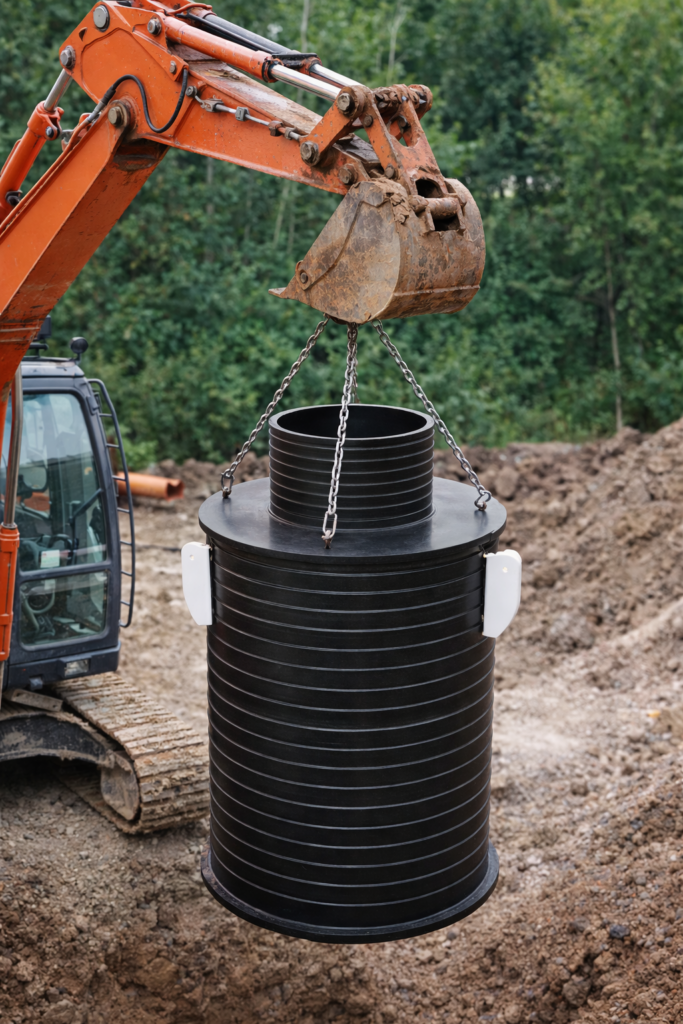
Wastewater infrastructure across the United States is entering a major renewal cycle. Millions of sanitary sewer manholes installed decades ago are reaching the end of their service life, creating increased risks of infiltration, structural deterioration, and environmental impacts.

A primary cause of these failures is microbial induced corrosion (MIC). In sewer systems, hydrogen sulfide gas forms during the breakdown of organic material and reacts with moisture to create sulfuric acid, which aggressively attacks concrete structures. Because this process occurs naturally in wastewater environments, many concrete manholes begin deteriorating shortly after entering service.

Traditional
Read More »
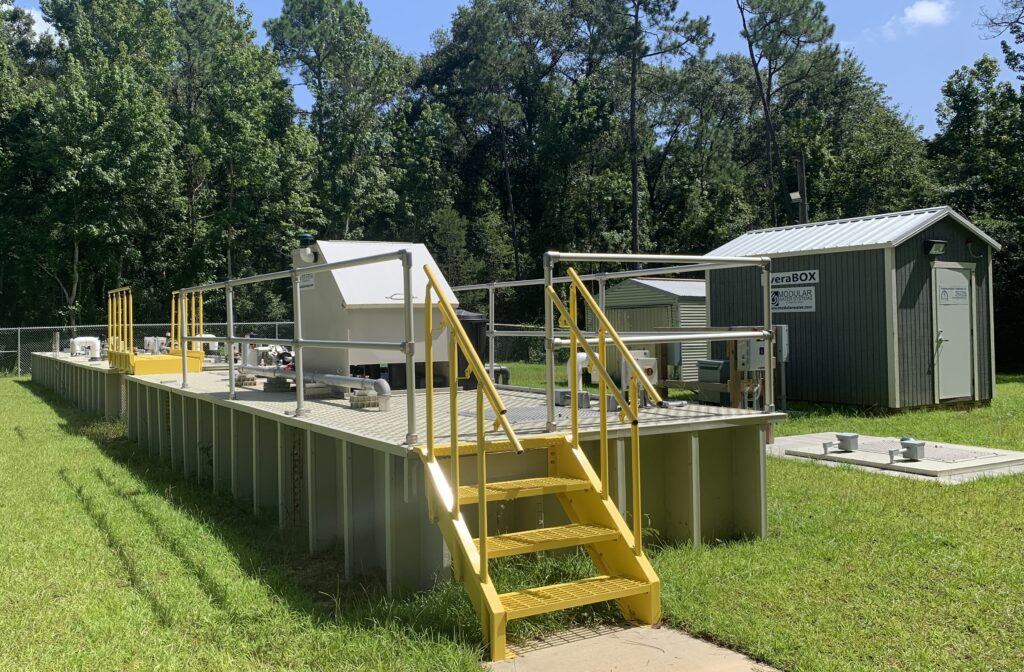
Modular decentralized wastewater infrastructure designed for long-term material resilience and operational reliability.
Materials & Manufacturing (HDPE / PP)

Designing Out Corrosion: Rethinking Wastewater Infrastructure Materials

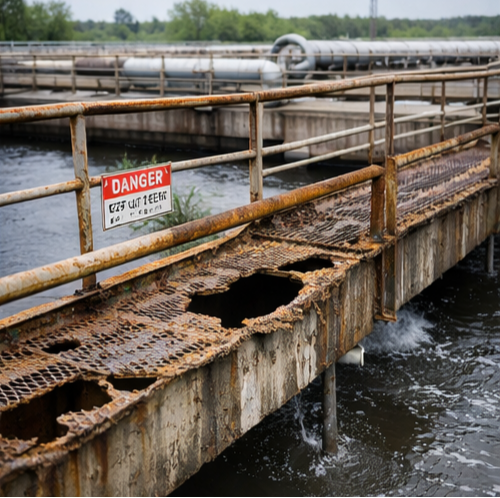
Corrosion in wastewater infrastructure is not simply a maintenance issue — it is a material decision. Traditional systems built from reinforced concrete and steel depend on coatings, liners, and rehabilitation cycles to manage predictable chemical and biological degradation. While these approaches extend service life, they also embed long-term vulnerability into the structure itself.

As utilities increasingly adopt lifecycle cost analysis and resilience-based planning frameworks, the focus is shifting from managing corrosion to designing it out. Industry guidance from the U.S. EPA and ASCE emphasizes long-horizon asset management, total cost of ownership, and infrastructure

Read More »
wastewater infrastructure corrosion
Wastewater Treatment Systems

Why Concrete and Steel Are Failing Modern Wastewater Systems

Wastewater infrastructure failures are often attributed to “aging systems,” but the underlying cause is frequently more specific — and more predictable. Modern wastewater environments expose materials to aggressive biological and chemical conditions, particularly hydrogen sulfide–driven corrosion, that many legacy materials were never designed to withstand long term.

Concrete and steel have served the industry for decades, yet in aggressive wastewater environments they require protection from the very conditions they contain. Biogenic sulfuric acid attack, reinforcement corrosion, and moisture-driven degradation are well-documented mechanisms that gradually weaken structures over time. These processes are not sudden

Read More »
Integrated Fixed Film Activated Sludge
Wastewater Treatment Systems

IFAS vs. Traditional Activated Sludge — Why Hybrid Biological Treatment Is Gaining Ground

Conventional activated sludge has served as the backbone of biological wastewater treatment for decades. However, increasing nutrient limits, footprint constraints, and operational challenges are exposing its limitations — particularly in small and mid-sized facilities.

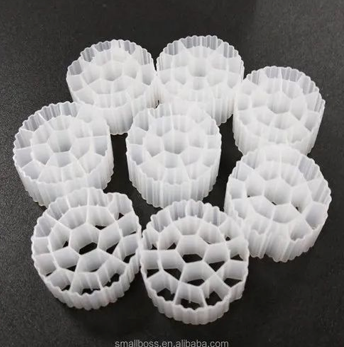
Integrated Fixed-Film Activated Sludge (IFAS) systems represent an evolution of traditional treatment. By combining suspended growth biomass with attached biofilm media in a single reactor, IFAS increases biological capacity without expanding tank volume. The result is improved nitrification stability, reduced sludge production, and enhanced resilience to flow and load variability.

For utilities facing tighter nitrogen limits or constrained expansion

Read More »
Wastewater challenges
Wastewater Treatment Systems

The Critical Challenges Facing Wastewater Treatment Today — And What They Mean for Utilities

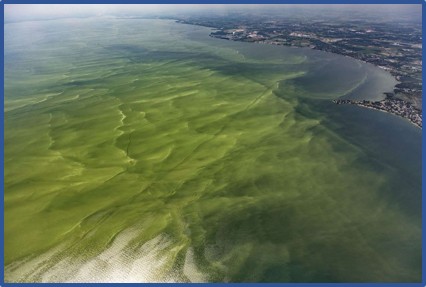
Wastewater utilities are confronting a convergence of structural, regulatory, and operational pressures. Aging infrastructure, microbial induced corrosion (MIC), tightening nutrient limits, workforce shortages, and rising energy costs are forcing municipalities to rethink traditional approaches to wastewater treatment.

Concrete and steel systems — long the industry standard — are increasingly vulnerable to hydrogen sulfide corrosion and lifecycle cost escalation. At the same time, regulators are demanding advanced nutrient removal performance that many legacy systems were never designed to achieve.

To remain compliant, cost-effective, and resilient, utilities must shift toward corrosion-resistant materials, modular system design,

Read More »
decentralized wastewater systems
Decentralized Wastewater

Centralized vs Decentralized Wastewater Is a False Choice

The wastewater industry often frames the future as a choice between two opposing models: large, centralized treatment plants or fully decentralized, point-of-use systems. In practice, this binary framing no longer reflects how successful utilities plan, expand, and operate their systems.

Centralized infrastructure remains essential. Regional treatment plants provide scale, regulatory consistency, and long-term operational stability. At the same time, these systems face increasing pressure from aging collection networks, inflow and infiltration, growth, and wet-weather variability.

Decentralized systems have re-emerged as tools to address these pressures. Building-scale treatment, satellite facilities, and modular processes can

Read More »

A next-generation engineering and manufacturing company delivering innovative equipment and infrastructure products for the water, wastewater, and energy storage utility markets.

© 2026 Infrastructure Dynamics. All rights reserved.