
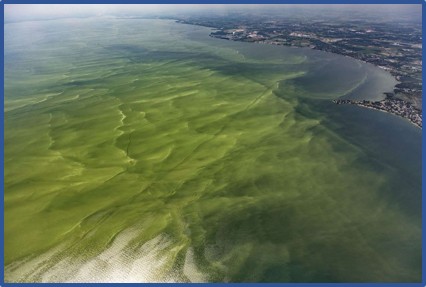
Wastewater treatment systems across the U.S. are under stress. Aging infrastructure, corrosion, tightening regulations, workforce challenges, and rising costs are converging to create pressures that many utilities were not designed to withstand. Addressing these requires new thinking, resilient materials, and scalable solutions.
Aging Infrastructure — The Time Bomb Utilities Can No Longer Ignore
Much of America’s wastewater infrastructure was built in the mid-20th century. Today, pipes, tanks, wet wells, and treatment plants are operating well past their intended service lives. According to the American Society of Civil Engineers (ASCE) Infrastructure Report Card, wastewater systems consistently score poorly due to deferred maintenance and underinvestment.
This aging legacy leads to:
- Structural deterioration
- Leaks and inflow/infiltration (I/I)
- Frequent bypass events
- Unplanned capital expenses
Deferred maintenance is no longer a cost-saving strategy — it’s a liability.
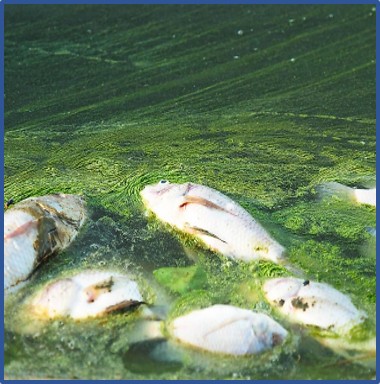
“The United States has approximately 14,780 wastewater treatment facilities and 19,739 wastewater pipe systems as of 2008. In 2002, 98 percent of publicly owned treatment systems were municipally owned. Although access to centralized treatment systems is widespread, the condition of many of these systems is also poor, with aging pipes and inadequate capacity leading to the discharge of an estimated 900 billion gallons of untreated sewage each year.”
Excerpt from “FAILURE TO ACT: The Economic Impact of Current Investment Trends in Water and Wastewater Treatment Infrastructure”
Microbial Induced Corrosion (MIC) — The Invisible Destroyer
One of the most pervasive and costly challenges is Microbial Induced Corrosion (MIC). In sewer environments with hydrogen sulfide gas and moisture, sulfur-oxidizing bacteria produce sulfuric acid — aggressively attacking concrete and steel. Without corrosion-resistant materials or protective coatings, buried and submerged wastewater infrastructure can deteriorate rapidly.
MIC or “Microbial Induced Corrosion”
- Hydrogen Sulfide (H2S) generation and subsequent sulfuric acid formation.
- Steel and concrete materials corrode quickly and require continuous maintenance. Without preventative maintenance, Life cycles may be as short as 5 years.
- A Wastewater Lift Station currently in service, that needs to be replaced, is enormously expensive. You just can’t turn the station “OFF” while you replace it!
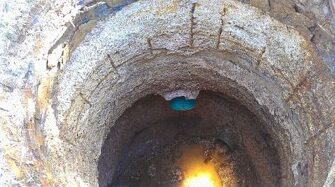
The result? Repeated rehabilitation and replacement cycles that drain capital improvement budgets.
Regulatory Pressure — Nutrients, Reuse, and Tighter Limits
Regulations targeting nitrogen and phosphorus are becoming more stringent nationwide. Municipalities that once relied on basic biological treatment are now expected to achieve nutrient limits below 3 mg/L or even lower in some regions. In many cases, these tighter limits are tied to water reuse requirements, necessitating tertiary treatment.
Compliance now demands:
- Biological nutrient removal
- Enhanced monitoring
- Stable treatment processes under variable flows and loads
Workforce Challenges — Experience Is Retiring Fast
Across the industry, experienced operators are retiring faster than new talent is entering the field. According to the Water Environment Federation (WEF), workforce shortages are widespread, particularly in smaller utilities. Traditional processes like activated sludge require significant operator oversight, making staffing shortages a systemic challenge.
Energy and Sustainability Pressures
Aeration is one of the largest energy consumers in wastewater plants — often 40–60% of total power use. With utilities facing pressure to reduce greenhouse gas emissions, energy efficiency and operational sustainability are top priorities.
At the same time, climate variability — more intense storms and fluctuations in influent flow — demands processes that can adapt without compromising treatment performance.
Modular and Corrosion-Resistant Solutions — A New Way Forward
Modular, pre-engineered wastewater systems are emerging as a practical alternative to traditional concrete and steel infrastructure. These solutions can be installed more rapidly, with predictable cost and performance outcomes.
Innovations such as structurally reinforced thermoplastics offer:
- Total corrosion resistance
- Reduced maintenance costs
- Enhanced service life
- Faster field installation
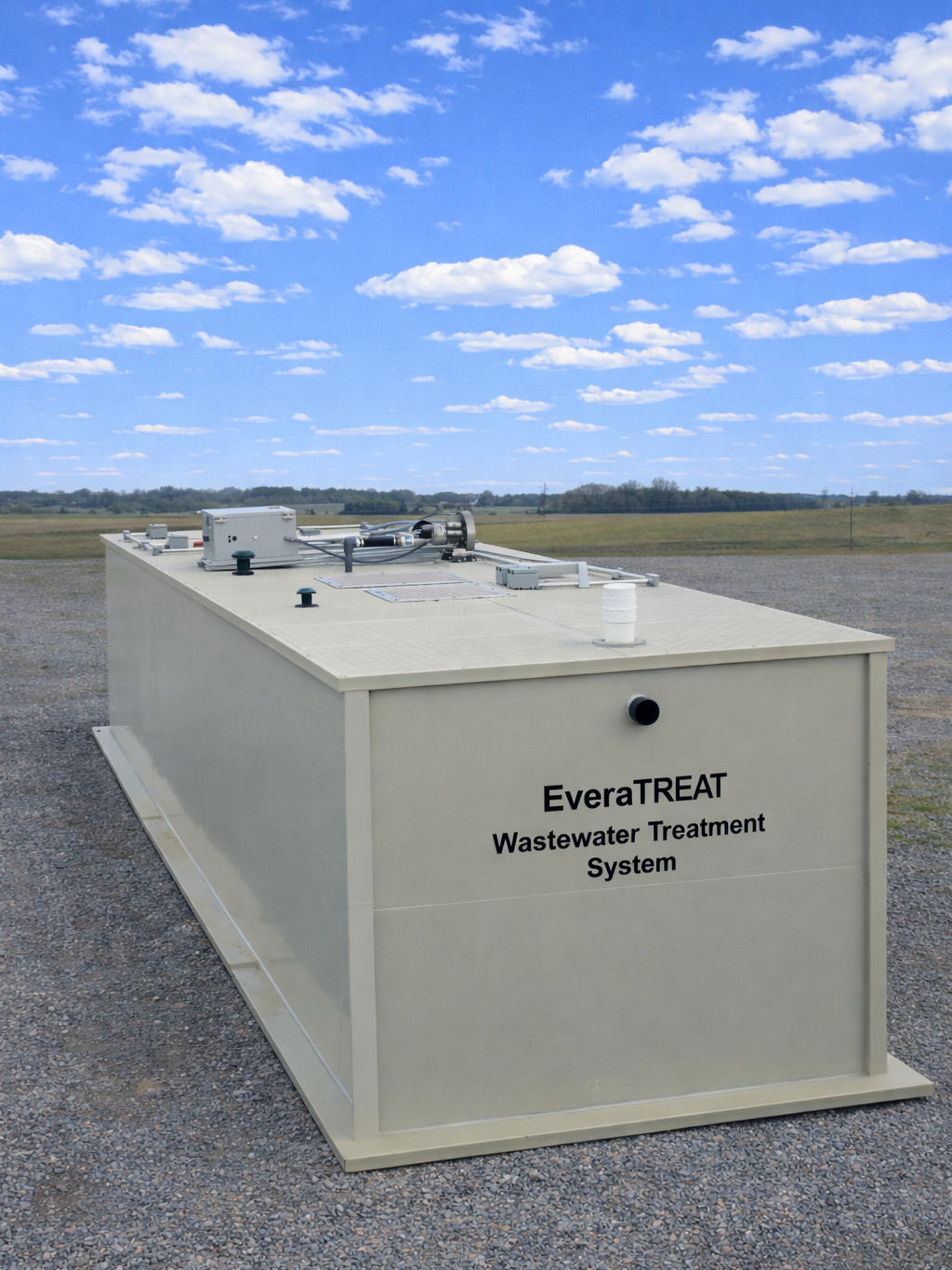
Infrastructure Dynamics’ EveraTREAT platforms leverage corrosion-resistant materials to deliver robust, long-term performance — reducing lifecycle liabilities for utilities.
What This Means for Utilities Today
Utilities must shift from reactive maintenance to proactive asset strategies. This includes:
- Prioritizing corrosion-resistant materials
- Evaluating modular solutions for expansion and upgrades
- Embracing advanced biological processes
- Investing in automation and remote monitoring
The wastewater sector is at an inflection point — one where smarter engineering and resilient design can deliver lasting returns.
Professional Sources & Further Reading
- American Society of Civil Engineers (ASCE) Infrastructure Report Card
- EPA Clean Water State Revolving Fund Program guidance
- Water Environment Federation (WEF) manuals and workforce studies
About the Author
INFRASTRUCTURE DYNAMICS’ engineers and manufactures integrated wastewater infrastructure systems, supporting centralized, decentralized, and hybrid solutions through system‑level design and delivery.
